This guide rates 8 alcohol-free wines available in Germany, Austria, and Italy based on three criteria: aroma accuracy, mouthfeel, and finish. We also clarify what “zero-proof” means under EU law (<0.5% ABV vs 0.0%), explain why non-alcoholic reds are harder to replicate, and provide serving rules to ensure your dealcoholized wine doesn’t taste like juice.
If you’ve been following our DIY guides for making strawberry syrups or Finnish Sima, you know we love a craft project. But sometimes, you just want to buy a bottle that actually tastes like wine.
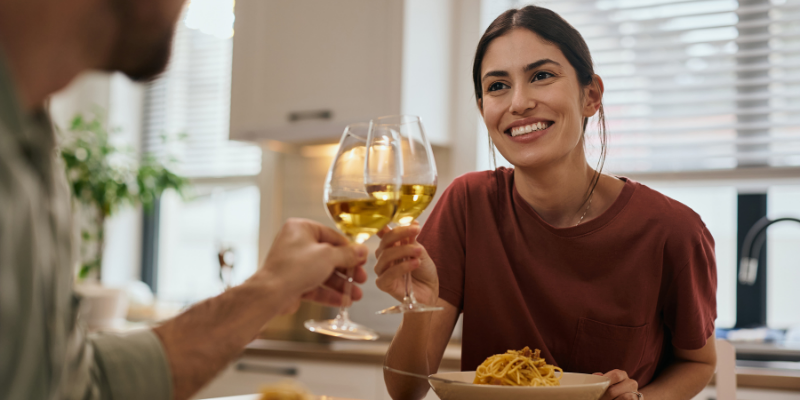
For years, “alcohol-free wine” was a polite term for “overpriced grape juice.” It was sweet, it was thin, and it was—frankly—an insult to the grapes. But as we head into 2026, the European market has undergone a total revolution. Thanks to advanced vacuum distillation and “spinning cone” tech, winemakers in Germany, Austria, and Italy are finally producing bottles that carry the soul, the tannins, and the “bite” of real wine.
Being European-based, we are sitting in the heart of this revolution. Today, we’re rating the heavy hitters you can actually find on our shelves. We’re looking for complexity, mouthfeel, and that elusive “adult” finish.
Quick Selection Guide
- Best Dry White: Leitz Eins Zwei Zero Riesling (Germany)
- Best Red with Tannins: Zeronimo Leonis (Austria)
- Best for Spritz: Mionetto 0.0% (Italy)
Our Rating Rubric
To keep our reviews objective, we rate every bottle on a scale of 1–5 based on:
- Aroma Authenticity: Does it smell like fermented grapes or fruit juice?
- Structure: Does it have the acidity or tannins to mimic the “bite” of alcohol?
- Finish: Does the flavor linger or disappear immediately?
What does “Zero-Proof” mean in Europe?
In the EU, the terminology can be confusing. “Alcohol-free” wine often contains up to 0.5% ABV. This trace amount is a natural byproduct of the fermentation process and helps carry the wine’s aroma. True “0.0%” wines are fully dealcoholized, usually through vacuum distillation, which removes the ethanol while preserving delicate flavors.
Germany: The undisputed Kings of De-alcoholization
Germany is a global leader in de-alcoholized wine production, supported by specialized research at institutions like Geisenheim University. Modern vacuum distillation—a process first patented in Germany in 1907—allows alcohol to evaporate at temperatures as low as 30°C to 35°C, which preserves delicate flavor compounds.
1. Leitz: Eins Zwei Zero Riesling (Rheingau)
Johannes Leitz is essentially the “Godfather” of modern AF wine. His family has been making wine since 1744, so he actually cares about the grape.
Dealcoholization method: Vacuum Distillation | Style: Still White | Sweetness: Dry | Price: ~€9-10
- The Profile: Classic German Riesling. Think green apple, citrus zest, and that signature “petrol” mineral note that Riesling lovers crave.
- Mouthfeel: Excellent. It has a crisp acidity that mimics the “burn” of alcohol.
- Rating: 🍷🍷🍷🍷🍷 (5/5) – The undisputed champion. If you only buy one bottle, make it this one.
2. Kolonne Null: Verdejo & Cuvée Rouge (Berlin/Global)
Kolonne Null doesn’t own vineyards; they partner with elite winemakers across Europe to co-create dealcoholized versions of high-end wines.
Dealcoholization method: Co-creation/Vacuum Distillation | Style: Still White | Sweetness: Very Dry | Price: ~€9-17
- The Profile: Their Verdejo (Spanish grapes, German tech) is a tropical vacation—pineapple and passionfruit with a dry finish. Their Cuvée Rouge is one of the few AF reds that doesn’t taste like jam.
- The Vibe: High-end, minimalist, and very “Berlin cool.”
- Rating: 🍷🍷🍷🍷 (4.5/5) – Sophisticated and dry. Perfect for dinner parties.
3. Hans Baer: Riesling Alkoholfrei
A more “supermarket accessible” option found across many German and Austrian retailers.
Dealcoholization method: Vacuum Distillation | Style: Still White | Sweetness: Off-Dry | Price: ~€5-7
- The Profile: Clean, simple, and slightly sweeter than the Leitz.
- The Verdict: Great for a casual Tuesday, but lacks the deep complexity of a “prestige” bottle.
- Rating: 🍷🍷🍷 (3/5)
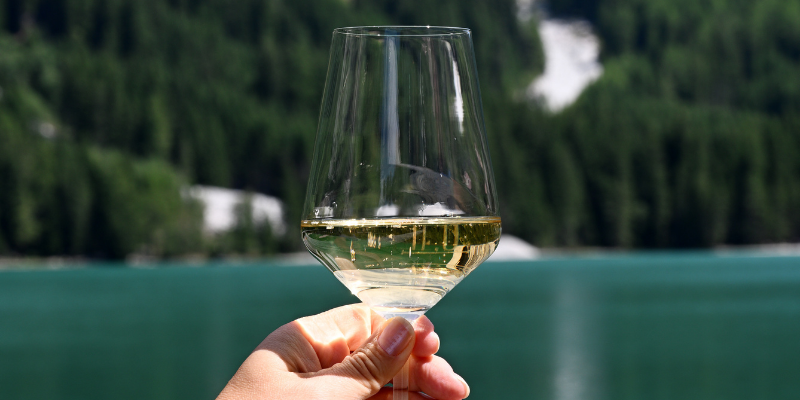
Austria: Precision, Terroir, and “Zeronimo”
Austrian winemakers are notoriously perfectionists. While they entered the AF game a bit later than the Germans, they are doing it with incredible style.
4. Weingut Heribert Bayer: Zeronimo (Burgenland)
This is where AF wine gets serious—and expensive. The “Zeronimo Leonis Blend” is widely cited as the best non-alcoholic red in Europe. This red blend is based on the “In Signo Leonis” vintage, which earned 98 points from Falstaff. It has a weight in the mouth that is almost impossible to find in other zero-proof reds.
The Accolades: Zeronimo Leonis has established itself as a heavyweight in the industry through consistent critical acclaim:
- Global Low & No Alcohol Wine Masters: Secured a Bronze Medal at the Drink Business awards (2023).
- Wine Enthusiast: Named “Best Non-Alcoholic Red Wine” (2021).
- Austrian Zero Awards: Earned a Gold Medal and “Best Non-Alcoholic Red Wine” in both 2020 and 2022.
- Wein.plus: Received a perfect 5 out of 5 stars and was the winner in their non-alcoholic wine evaluation for Austria and Germany (2020).
Dealcoholization method: Oak-aged before dealcoholization | Style: Still Red | Sweetness: Dry | Price: ~€10-45
- The Profile: A blend of Blaufränkisch, Zweigelt, and Cabernet Sauvignon. It is aged in oak barrels before the alcohol is removed.
- The Taste: Dark berries, spicy oak, and actual tannins. It has a weight in the mouth that is almost impossible to find in other zero-proof reds.
- Rating: 🍷🍷🍷🍷🍷 (5/5) – It’s pricey (around €35), but it’s the closest thing to a “Fine Wine” experience currently on the market.
5. The Zero: Grüner Veltliner (Austria Line)
Grüner Veltliner is Austria’s pride and joy. Making it alcohol-free is a challenge because you risk losing that “white pepper” finish.
Dealcoholization method: Vacuum Distillation | Style: Still White | Sweetness: Dry | Price: ~€10-14
- The Profile: Aromatic, herbal, and very fresh.
- The Vibe: Best served ice-cold on a terrace in Vienna. It’s light and zesty.
- Rating: 🍷🍷🍷🍷 (4/5)
Italy: Bubbles, Bitters, and “Il Senso”
Italy is the land of the Aperitivo. While their AF “still” wines are still catching up, their sparkling (Spumante) and bitter-based wines are world-class.
6. Mionetto: 0.0% Alcohol-Removed Sparkling
Mionetto is a household name for Prosecco, and their 0.0% version is everywhere from Rome to Venice.
Dealcoholization method: Dealcoholized Sparkling | Style: Spumante | Sweetness: Off-Dry | Price: ~€8-13
- The Profile: Bright, floral, and very bubbly.
- The Reality: Because carbonation (bubbles) helps hide the lack of alcohol, this is very convincing. It’s slightly sweeter than their standard Prosecco but holds its own in a Spritz.
- Rating: 🍷🍷🍷 (3.5/5) – The best “budget” sparkler for social mixing.
7. Oddbird: Spumante (Italian Grapes, Swedish Vision)
Technically a Swedish brand, but they source their grapes from the Treviso region of Italy. Oddbird is the “luxury” choice for bubbles.
Dealcoholization method: Aged 12 months, then dealcoholized | Style: Sparkling | Sweetness: Dry | Price: ~€10-22
- The Profile: Aged for 12 months. It has notes of pear, elderflower, and honeyed grapefruit.
- The Mouthfeel: Unlike cheap AF fizz, the bubbles here are fine and persistent (the “perlage”), not aggressive like a soda.
- Rating: 🍷🍷🍷🍷🍷 (5/5) – The ultimate celebration bottle.
8. Cielo e Terra: Cielo Spumante Zero
A staple in many Italian specialized wine shops.
Dealcoholization method: Dealcoholized Sparkling | Style: Sparkling | Sweetness: Off-Dry | Price: ~€7-9
- The Profile: Apple and pear notes with a very soft acidity.
- The Verdict: A solid, middle-of-the-road choice that is much better than the “sparkling grape juices” found in the juice aisle.
- Rating: 🍷🍷🍷 (3/5)
The “Red Wine” Problem: Why are Reds so hard to rate?
You’ll notice most of our 5-star ratings go to Whites and Sparklings. Why?
Alcohol contributes body and carries tannins; removing it often makes red wine feel “watery” or overly sweet.
Pro-Tip for Europe-based drinkers: If you’re buying a Red, look for brands that mention Oak Aging. The tannins from the wood help replace the structure lost when the alcohol is removed. This is why Zeronimo and Kolonne Null score so much higher than others.
How to Serve Your Zero-Proof Wine (The Rules are Different!)
To get the best flavor, follow these three rules:
- Temperature is Everything: AF wines should be served colder than their alcoholic counterparts. Whites should be near-freezing, and Reds should be “cellar cool” (about 12-14°C). This masks the lack of “heat” from the alcohol.
- Glassware Matters: Don’t drink these out of a mug. Use a high-quality crystal glass. The aromatics need room to breathe.
- Don’t Wait: Once opened, AF wine oxidizes faster than regular wine because it lacks the preservative quality of ethanol. Drink it within 24–48 hours.
The Venetian Sunset: A 0.0% Spritz Recipe
Since zero-proof wine can be used as a complex base for mixology, here is how to use the Mionetto 0.0% for a perfect Italian aperitivo:
Ingredients
- 90ml Mionetto 0.0% Alcohol-Removed Prosecco (Chilled)
- 60ml Non-alcoholic Bitter Spirit (e.g., Lyre’s Italian Orange or Giffard Aperitif)
- 30ml Sparkling Mineral Water or Club Soda
- Garnish: A thick slice of fresh orange and one green olive (the Venetian way!)
- Ice: Plenty of large, clear cubes
Instructions
- The Chill: Fill a large wine glass to the brim with ice. A lukewarm spritz is a crime—especially with zero-proof drinks where the cold helps mimic the “bite” of alcohol.
- The Bitter: Pour in your non-alcoholic bitter spirit first.
- The Bubbles: Slowly pour in the Mionetto 0.0%. You’ll see that beautiful orange marble effect as the liquids meet.
- The Splash: Top with a splash of sparkling water. Don’t overdo the water; you want to keep those Prosecco bubbles front and center.
- The Stir: Give it one very gentle stir with a long spoon. Don’t beat it—you’ll lose the carbonation.
- The Garnish: Drop in your orange slice and the olive. The saltiness of the olive balances the sweetness of the dealcoholized wine perfectly.

Why the Mionetto 0.0% works here
As we noted in the review, dealcoholized wines can sometimes be a bit sweeter than the originals. Because traditional Aperol is also quite sugary, using the Mionetto 0.0% alongside a high-quality bitter spirit creates a balanced profile that isn’t cloying. The high carbonation of the Mionetto keeps the drink feeling “tight” and refreshing.
Summary Table: What to Buy Based on Your Location
| Brand | Origin | Style | Best For… | Rating |
| Leitz Eins Zwei Zero | Germany | Riesling | The most realistic wine experience. | 5/5 |
| Zeronimo (H. Bayer) | Austria | Red Blend | A serious, “fine-wine” dinner. | 5/5 |
| Oddbird Spumante | Italy/Sweden | Sparkling | Weddings, parties, and toasts. | 5/5 |
| Kolonne Null | Germany | Verdejo | Summer afternoons & seafood. | 4.5/5 |
| The Zero | Austria | Grüner Veltliner | Fresh, zesty terrace sipping. | 4/5 |
| Mionetto 0.0% | Italy | Prosecco | Making the perfect AF Aperol Spritz. | 3.5/5 |
| Hans Baer | Germany | White/Rosé | A reliable, cheap supermarket find. | 3/5 |
| Cielo e Terra | Italy | Spumante | Accessible bubbles for large crowds. | 3/5 |
How We Tested (The “Real Life” Protocol)
Since we’re all about making and enjoying drinks at home, we didn’t use a clinical lab or a panel of experts in suits. Instead, we kept it real. Our “testing protocol” is basically what happens in your own living room:
- The Tasting Team: Just me, my family, and a few friends who aren’t afraid to tell me if a drink tastes like floor cleaner.
- The “Home” Setting: We tried these wines exactly how you would: after work, during a weekend BBQ, or over a Tuesday night pasta dinner.
- The Chill Factor: We didn’t use a thermometer. If the bottle felt “properly cold” from the fridge, it was ready. We noticed that if an alcohol-free wine gets too warm, the “juice” flavors start to take over, so keep ’em chilled!.
- The Pizza Test: We paired these bottles with whatever we were actually eating—pizza, snacks, or just a bowl of olives—to see if the wine actually made the food taste better (or if it just got in the way).
- The Verdict: If my friends asked for a second glass, it passed. If the bottle was still half-full at the end of the night, it didn’t.
Where to Buy in Europe
Finding quality zero-proof wine varies by country, but here is a quick guide to navigating the European market:
- Germany & Austria: You can find reliable entry-level options like Hans Baer or The Zero at major supermarkets like Rewe, Edeka, and Billa. For premium brands like Leitz or Zeronimo, visit specialty beverage shops (Getränkemärkte) or upscale department stores like KaDeWe.
- Italy: While supermarkets carry mass-market brands like Mionetto 0.0%, specialized Enotecas in major cities increasingly stock boutique dealcoholized spumantes.
- Online (Pan-European): For the widest selection, including brands like Oddbird or Kolonne Null, online retailers like Soberciety, Dis&Dis, and Drynkspilot offer shipping across the EU.
Common Questions About Alcohol-Free Wine (FAQ)
The Final Verdict
We’ve come a long way from the days of “no-alcohol alcohol” being a joke. In 2026, the European market—led by the precision of Germany and the tradition of Austria and Italy—is proving that you can have the ritual, the flavor, and the “terroir” without the hangover.
What should we rate next? Are you interested in a deep dive into the non-alcoholic Belgian beer scene? Write us via our contact form and let us know!
Cheers!
The AlcoFree Brew Team


